Shigar Valley Travel Guide: District, Population, Area, Tourist Destinations and How to Travel
Shigar Valley is one of the most remarkable destinations in Gilgit-Baltistan, Pakistan, offering a unique combination of dramatic mountains, fertile agricultural land, historic heritage, traditional Balti culture and access to some of the greatest peaks of the Karakoram. Located close to Skardu, Shigar Valley is an important destination for travellers who want to experience the natural beauty, history and adventure of northern Pakistan. From the historic Shigar Fort and Amburiq Mosque to the golden landscape of Sarfaranga Cold Desert and the peaceful waters of Blind Lake, Shigar provides a wide variety of experiences for visitors.
Explore More Destinations in Gilgit-Baltistan
Hunza Valley is one of many remarkable destinations across Gilgit-Baltistan. Travellers who want to explore beyond Hunza can discover valleys, lakes, historical places, mountain communities and scenic destinations across the region. The Gilgit Baltistan Tourism Destinations guide can help visitors discover different places and plan a wider journey through the region. From Hunza and Nagar to Skardu, Shigar, Ghizer, Astore, Diamer, Kharmang and Ghanche, every area offers its own landscapes, culture and travel experiences.
Shigar Valley is also closely connected with the great mountain landscapes of the Karakoram. The district provides access towards Askole, Baltoro Glacier and the trekking and mountaineering routes leading towards K2 and other major peaks. This makes Shigar important not only for ordinary sightseeing but also for trekking, mountaineering, photography, cultural tourism and adventure travel. For visitors exploring Gilgit-Baltistan, Shigar Valley can be included as part of a wider journey through Skardu and the surrounding areas.
Shigar District in Gilgit-Baltistan
Shigar District is one of the ten districts of Gilgit-Baltistan and its administrative headquarters is Shigar. The district is located in the eastern part of the region and is closely connected with Skardu. The Government of Gilgit Baltistan Tourism Department describes Shigar as a gateway to the great Karakoram and highlights its historical importance as an ancient trading route connecting Central Asia with the subcontinent.
Shigar District has a strong connection with the history and geography of Baltistan. The Shigar River supports agricultural areas within the valley, while the upper parts of the district lead towards some of the world’s most famous mountain and glacier environments. The district is also known for its traditional Balti culture, historic buildings and villages that have developed around the valley’s agricultural and river systems.
Population of Shigar District
According to the current district information published by the Government of Gilgit Baltistan Tourism Department, Shigar District has a population of approximately 84,608 people. The primary local language is Balti, while Urdu is commonly understood and English is used in tourism related services. The population is distributed across settlements and villages within a large mountainous landscape, giving Shigar a distinctive rural and cultural character.
The people of Shigar are known for their traditional lifestyle, hospitality and strong connection with the land. Agriculture remains an important part of life in the valley, and visitors can see orchards and cultivated fields producing fruits such as apricots, grapes, peaches, pears and walnuts. The relationship between agriculture, rivers, villages and mountains is one of the defining characteristics of Shigar Valley.
Area and Location of Shigar District
Shigar District occupies a large mountainous area in Gilgit-Baltistan. The Government of Gilgit Baltistan Tourism Department currently lists the district statistics with an area of approximately 4,173 square kilometres, while its descriptive tourism information describes the wider Shigar region as extending across approximately 8,500 square kilometres. Because official tourism pages currently display different area figures, visitors and researchers should treat the administrative area figure and the broader geographical description separately.
Shigar Valley is located close to Skardu and can be reached by road from Skardu city. The valley extends northwards towards Askole and the major trekking routes of the Karakoram. Its geographical position makes Shigar an important gateway between the settled areas around Skardu and the high mountain environment leading towards Baltoro Glacier and K2.
Shigar Valley and the Karakoram Mountains
The mountains are one of the most important reasons travellers visit Shigar Valley. The district is surrounded by the spectacular Karakoram range and provides access towards some of the highest peaks on Earth. The northern part of the district leads towards the Braldo Valley, Baltoro Glacier and the routes associated with K2, Broad Peak and the Gasherbrum group.
For mountain lovers, Shigar Valley represents much more than a scenic destination. It is an important starting point for trekking and mountaineering journeys into the high Karakoram. Even travellers who are not planning a major expedition can enjoy views of rugged peaks, river valleys, agricultural landscapes and traditional villages while travelling through Shigar.
Shigar Fort
Shigar Fort is one of the most important historical attractions in Shigar Valley. Locally known as Fong Khar, meaning Fort on Rock, the historic structure dates back several centuries and represents an important part of the cultural heritage of Baltistan. The fort stands within the valley surrounded by traditional villages, agricultural fields and the dramatic backdrop of the Karakoram mountains.
The restoration of Shigar Fort has helped preserve its traditional architecture and historical character. Today, the fort serves as a heritage attraction and provides visitors with an opportunity to learn about the history, architecture and lifestyle of the ruling families and communities of Shigar. The combination of heritage architecture and mountain scenery makes Shigar Fort one of the most memorable places to visit in the valley.
Amburiq Mosque
Amburiq Mosque is another important heritage attraction in Shigar Valley. The historic wooden mosque reflects the traditional architectural heritage of Baltistan and is an important example of the region’s cultural preservation. The mosque received a UNESCO Award for Heritage Conservation in 2005, highlighting the importance of its restoration and preservation.
Visitors interested in the history of Gilgit-Baltistan should include Amburiq Mosque in their Shigar itinerary. The mosque provides an opportunity to understand the traditional construction techniques and cultural heritage that have survived through generations in the mountain communities of Baltistan.
Sarfangara Cold Desert
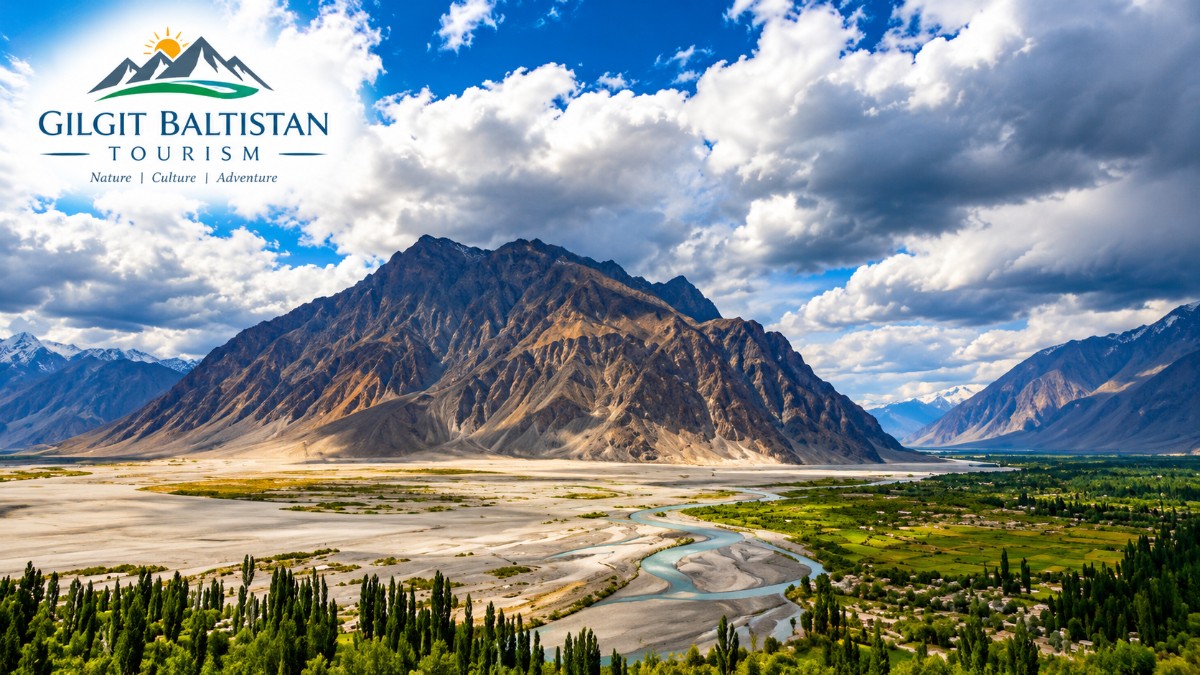
Sarfaranga Cold Desert is one of the most unusual natural attractions associated with Shigar Valley. The desert landscape creates a striking contrast with the surrounding snow covered mountains, green agricultural areas and river valleys. Golden sand and rugged mountain scenery make the area particularly attractive for photography and adventure tourism.
The landscape of Sarfaranga demonstrates the extraordinary geographical diversity of Gilgit-Baltistan. Travellers can experience a desert environment while standing among some of the highest mountains in the world. Depending on local conditions and available services, visitors can explore the area by vehicle and enjoy the changing scenery around the desert.
Blind Lake in Shigar
Blind Lake, also known as Jarba So or Zharba Tso in different references, is a scenic lake associated with Shigar District. The lake provides a peaceful natural environment surrounded by mountains, vegetation and open landscapes. Its unusual character and location make it an attractive destination for visitors interested in photography, nature and quiet outdoor experiences.
Blind Lake can be included in a sightseeing journey from Skardu towards Shigar. The area provides an opportunity to slow down and enjoy the natural landscape away from busy urban environments. Visitors should keep the area clean and avoid damaging vegetation or leaving plastic and other waste behind.
K2 and the Gateway to the Karakoram
One of the most important geographical features of Shigar District is its connection with K2, the world’s second highest mountain
Explore More Destinations in Gilgit-Baltistan
Hunza Valley is one of many remarkable destinations across Gilgit-Baltistan. Travellers who want to explore beyond Hunza can discover valleys, lakes, historical places, mountain communities and scenic destinations across the region. The Gilgit Baltistan Tourism Destinations guide can help visitors discover different places and plan a wider journey through the region. From Hunza and Nagar to Skardu, Shigar, Ghizer, Astore, Diamer, Kharmang and Ghanche, every area offers its own landscapes, culture and travel experiences.
. The upper parts of Shigar provide access towards the trekking routes leading to Baltoro Glacier and K2 Base Camp. This has given Shigar a major place in international mountaineering and adventure tourism.Travelling towards K2 is very different from ordinary sightseeing in Shigar Valley. The journey requires careful preparation, appropriate equipment, experienced guides and awareness of altitude and mountain conditions. Visitors planning a trekking or mountaineering expedition should use qualified local support and obtain current information about permits, routes, weather and safety requirements.
Baltoro Glacier and Askole
Baltoro Glacier is one of the most famous glacier systems in the Karakoram and forms part of the major trekking route towards K2 and other high peaks. Askole is an important gateway for trekking and mountaineering expeditions entering this remote mountain environment.
The journey towards Askole is considerably more demanding than travelling through the main tourist areas of Shigar Valley. Road conditions, weather, altitude and terrain can affect travel times and access. Visitors should not attempt remote trekking routes without appropriate preparation, local guidance and suitable equipment.
Shigar Valley Culture and Balti Heritage
Culture is one of the strongest attractions of Shigar Valley. The local community has preserved many elements of traditional Balti life, including language, architecture, food, agriculture and hospitality. Visitors can experience this cultural heritage by exploring traditional villages, historic buildings and local markets.
Balti is the primary local language of Shigar District and is closely connected with the wider cultural heritage of Baltistan. Travellers can make their experience more meaningful by learning a few simple local expressions and showing respect for local customs, religious places and community traditions.
Agriculture and Natural Beauty of Shigar Valley
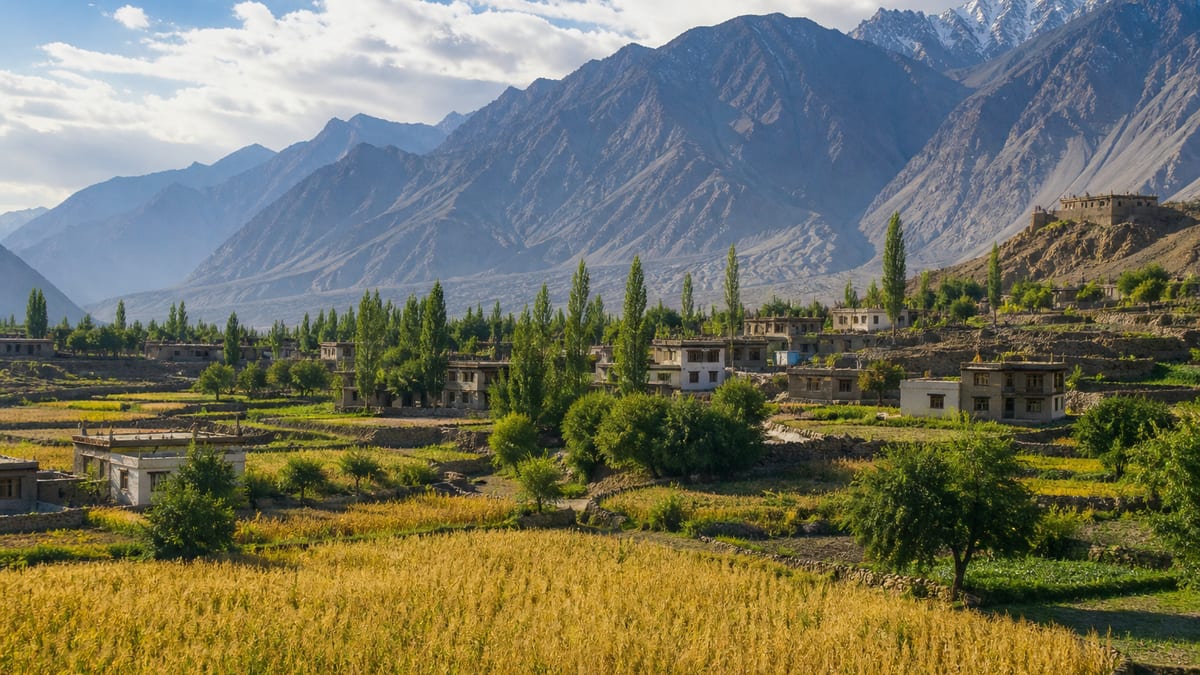
Shigar Valley has fertile agricultural land supported by water from the Shigar River and surrounding mountain streams. Orchards and cultivated fields create a striking contrast with the dry mountain landscape. Apricots, grapes, peaches, pears and walnuts are among the fruits associated with the agricultural character of the valley.
During the warmer months, the agricultural areas become particularly attractive for visitors. Green fields, fruit trees, traditional homes and towering mountains create a landscape that reflects the relationship between nature and local community life. Photography enthusiasts can find many opportunities to capture this combination of agriculture and mountain scenery.
How to Travel to Shigar Valley
The easiest way for many visitors to reach Shigar Valley is to travel through Skardu. Travellers can reach Skardu by air from Islamabad when flights are operating and weather conditions permit. From Skardu city, Shigar is accessible by road using a private vehicle, taxi or other local transportation.
The Government of Gilgit Baltistan Tourism Department describes Shigar as a short drive from Skardu, while individual tourist attractions within the district have different travel times depending on their location. Visitors should allow additional time for sightseeing because the road journey provides opportunities to stop at viewpoints and attractions along the route.
Travelling to Shigar by Air
There is no major commercial airport inside Shigar Valley, so visitors generally use Skardu Airport as the nearest air gateway. Flights to Skardu can significantly reduce the road journey for travellers coming from Islamabad and other connected cities. From Skardu Airport, travellers can continue towards Shigar by road.
Mountain flights are dependent on weather conditions, so travellers should confirm flight schedules before departure and maintain flexibility in their itinerary. Weather can change quickly in Gilgit-Baltistan, and a delayed flight or road journey can affect travel plans.
Travelling to Shigar by Road
Travelling by road allows visitors to experience more of the landscape of Gilgit-Baltistan. Travellers arriving in Skardu can continue towards Shigar by car, taxi or suitable local transport. The road provides access to the valley and its surrounding tourist attractions.
Visitors travelling beyond the main settlements towards remote areas should obtain current information about road conditions and use an appropriate vehicle. Roads in mountainous areas can be affected by weather, maintenance and seasonal conditions. Local drivers and guides can provide useful information about current conditions and suitable routes.
Best Time to Visit Shigar Valley
The best time to visit Shigar Valley depends on the purpose of the journey. The warmer months from late spring through autumn are generally suitable for sightseeing and many outdoor activities. During this period, agricultural areas are green, many tourist attractions are accessible and mountain roads are generally more suitable for travel.
Summer is particularly suitable for visitors interested in sightseeing, photography and exploring the cultural attractions of Shigar. Autumn can provide beautiful colours in the agricultural areas and surrounding vegetation. Winter brings cold temperatures and snow in many parts of the region, creating a completely different landscape but also requiring greater preparation for travel.
Things to Do in Shigar Valley
Shigar Valley offers a wide range of activities for different types of travellers. Visitors can explore Shigar Fort, visit Amburiq Mosque, enjoy the landscapes of Sarfaranga Cold Desert, discover Blind Lake and walk through traditional villages. Photography is also popular because the valley combines heritage architecture, agriculture, rivers and dramatic mountains.
Adventure travellers can use Shigar as a gateway for trekking and mountaineering journeys towards Baltoro Glacier, K2 and other major Karakoram peaks. Cultural travellers can explore Balti traditions, local food, historic architecture and village life. Families and leisure travellers can enjoy scenic drives, nature walks and peaceful landscapes around the valley.
Shigar Valley for Photographers
Shigar Valley is an excellent destination for landscape photography because of its combination of natural and cultural scenery. Historic forts, wooden mosques, agricultural fields, rivers, desert landscapes and snow covered mountains provide a wide variety of subjects.
Early morning and late afternoon can provide beautiful natural light for photography. Visitors should respect private property and local communities when photographing villages and people. Responsible photography is an important part of responsible tourism.
Responsible Tourism in Shigar Valley
Shigar Valley is a fragile mountain environment as well as a living cultural landscape. Visitors can help protect the destination by avoiding litter, respecting heritage buildings, keeping natural areas clean and following local guidance. Travellers should avoid damaging plants, historic structures and other natural or cultural resources.
Supporting local businesses is another way to contribute to Shigar Valley. Choosing local guides, drivers, guesthouses, restaurants and handicrafts can help keep tourism income within local communities. Respecting local customs and religious places also helps create a positive relationship between visitors and residents.
Shigar Valley and Gilgit Baltistan Tourism
Shigar Valley represents many of the qualities that make Gilgit-Baltistan one of Pakistan’s most distinctive tourism regions. The valley combines high mountains, ancient heritage, agricultural landscapes, traditional Balti culture and access to some of the world’s most famous mountaineering routes.
For travellers exploring Gilgit-Baltistan, Shigar can be combined with Skardu and other nearby destinations to create a wider travel itinerary. Visitors can explore the historic and cultural side of the region in Shigar before continuing towards the high mountain landscapes and adventure routes of the greater Karakoram.
Plan Your Shigar Valley Journey
A successful journey to Shigar Valley requires some preparation. Travellers should check the weather, road conditions, accommodation availability and transportation before departure. Those planning to visit remote mountain areas should arrange suitable vehicles and experienced local guides in advance.
Visitors should also allow enough time to experience Shigar rather than treating it only as a short stop from Skardu. The historic fort, traditional villages, agricultural landscapes, desert scenery and mountain environment all deserve time and attention. A slower journey can provide a much deeper understanding of the valley.
Explore More Gilgit-Baltistan Destinations
Shigar Valley is one of many extraordinary destinations across Gilgit-Baltistan. Travellers who want to explore more valleys, lakes, mountains, historic places and cultural attractions can discover additional destinations through the Gilgit Baltistan Tourism website. Exploring different districts provides a broader understanding of the region and allows visitors to experience the unique character of each mountain community.
From Hunza Valley and Skardu to Astore, Ghizer, Nagar, Diamer, Kharmang and Ghanche, Gilgit-Baltistan offers a remarkable variety of landscapes and experiences. Shigar Valley remains especially important for travellers interested in the Karakoram, Balti heritage, K2, glaciers and historic architecture.
Final Thoughts
Shigar Valley is a destination where history, culture, agriculture and some of the world’s most spectacular mountain landscapes come together. The valley offers far more than a scenic drive from Skardu. Its historic Shigar Fort, Amburiq Mosque, Sarfaranga Cold Desert, Blind Lake, traditional villages and connection with K2 make it an important destination for anyone exploring Gilgit-Baltistan.
Whether you are a photographer looking for dramatic mountain scenery, a traveller interested in Balti culture, a family exploring northern Pakistan or an adventurer preparing for a Karakoram expedition, Shigar Valley offers a memorable experience. With responsible travel, careful planning and respect for the local environment and communities, visitors can enjoy the beauty of Shigar while helping preserve its natural and cultural heritage for future generations.