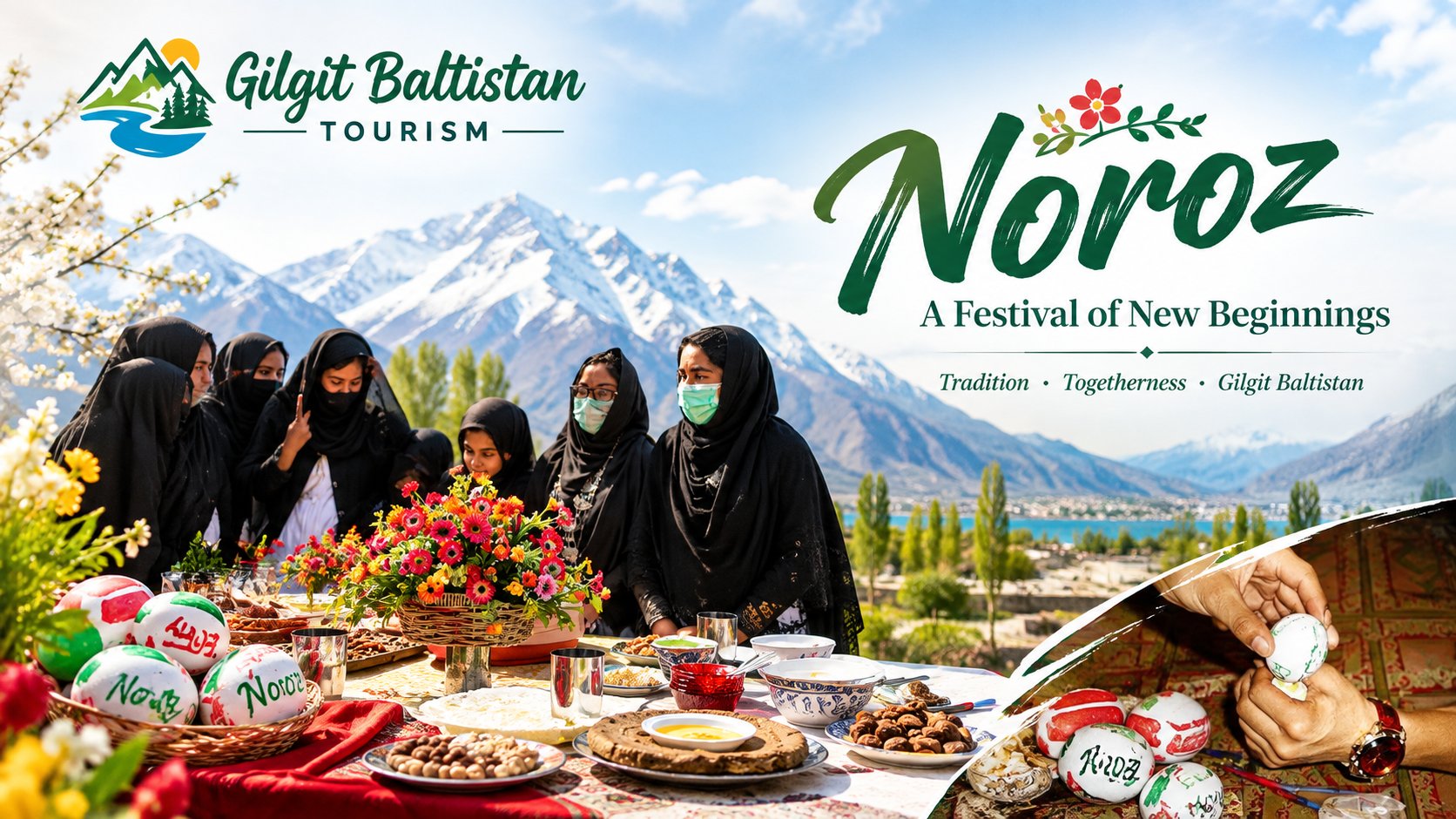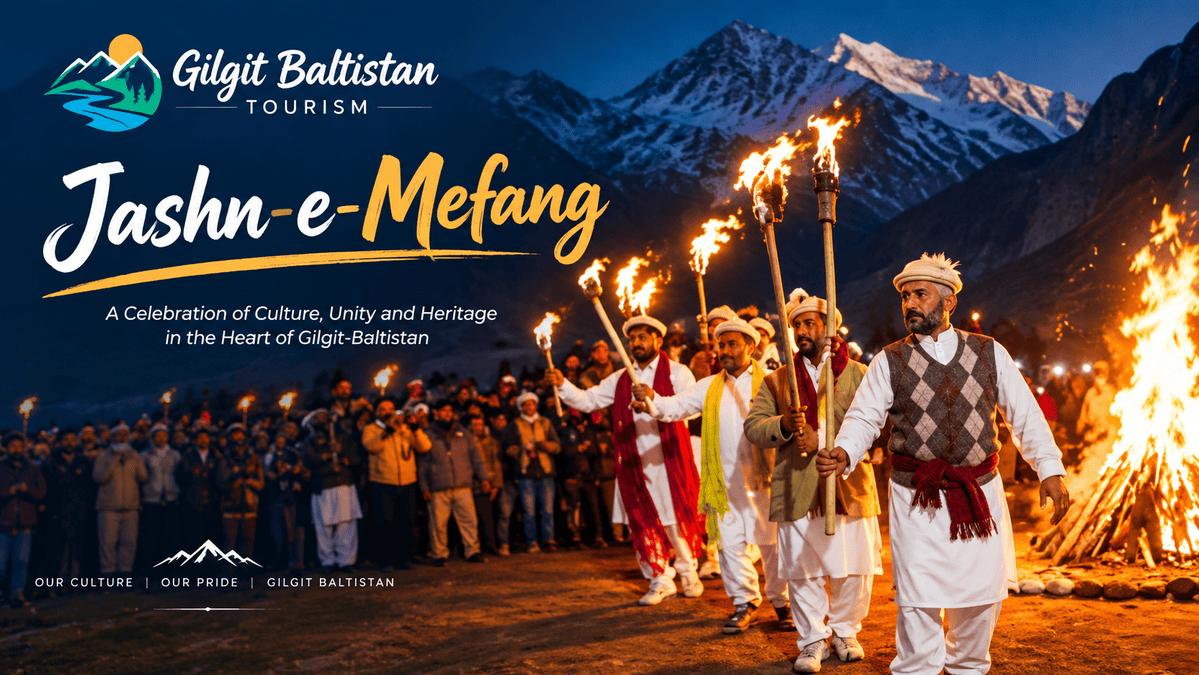
Jashn-e-Mefang is a cultural celebration associated with local traditions in Gilgit-Baltistan. That sentence is almost the whole published record this page can stand on — and we keep it that way. Our festival stub and the festivals hub describe it as rooted in community participation, centred on gatherings, cultural expression and local hospitality. They also say programmes differ by place and year.
This page is honest about the gaps. It doesn’t invent a season, a district, a calendar date, a ticket price or a fixed programme. What it does instead is show you how to place Jashn-e-Mefang among the other named festivals on this site, how to plan if you hope to attend something community-led, and how to behave as a guest when you get there.
Our source framing follows the festivals stub and hub material drawn from department sources accessed on 27 August 2026.
What the record actually says
From the live festival page and the festivals hub, we can say the following with a source behind it:
- Jashn-e-Mefang is a cultural celebration connected with local traditions in Gilgit-Baltistan.
- It forms part of the wider landscape of community festivals that express regional identity, hospitality and shared cultural life.
- It is rooted in community participation.
- Activities commonly centre on gathering, cultural expression and local hospitality.
- Specific programmes can differ by place and year.
- Visitors should expect a community-led atmosphere rather than a single fixed format.
- Schedules and open activities aren’t identical every year; verify current arrangements before planning attendance.
That’s the usable record — everything else on this page is planning method, not extra folklore.
What is not published
So that nothing here reads as more certain than it is, here’s what our sources do not tell us about Jashn-e-Mefang:
- a season (spring, summer, autumn or winter);
- a district, valley or town where it “belongs”;
- a recurring calendar date or a documented past edition with days and months;
- a list of performances, sports or ceremonies that always appear;
- whether every edition is open to visitors, or only some gatherings are;
- a ticket, entry fee or booking channel;
- a translation or etymology of the name;
- a claim that it is the same event as Noroz, Ginani, Woolyo or any other named celebration.
If a blog, brochure or social post fills those gaps without naming an official source, treat it as unverified. We’d rather leave a blank than guess.
How it sits among the other festival pages
Our festivals section currently carries five event pages. Jashn-e-Mefang is the one with the least timing detail:
| Festival | What timing our sources give |
|---|---|
| Noroz | Spring; customs differ by community |
| Jashn-e-Mefang | No season or district published |
| Shandur Polo Festival | Early summer at Shandur Pass; dates set each year |
| Khalti Ice Hockey Festival | Winter at Khalti Lake; depends on ice |
| Sevendays Winter Feast | Winter sports programme across districts; a 2025 Hunza edition is documented |
The hub also notes celebrations that don’t yet have their own festival pages: Ginani (linked to the harvest season in Hunza on the cultural-heritage article), Woolyo (a yak race and festival at the Shimshal Pass pastures, late July or early August on the Shimshal place page), and the Ghanche festival dances Mandoq Taimo and Ragi Taimo. None of those is Jashn-e-Mefang. Keep the names separate unless a source you trust equates them.
Community character, not a tourist schedule
The festivals hub and the stub both stress a community-led atmosphere. That has practical consequences:
- It isn’t a fixed tourist product. Don’t build a rigid itinerary around a day that may not be public, or may not fall where a secondary website said it would.
- Invitation matters. Treat gatherings as invitations to learn — the same approach our Noroz page asks of visitors. If nobody has invited you, ask locally whether visitors are welcome before you arrive with a camera.
- Hospitality is part of the culture pages. Our culture section and visitor customs and dress page repeat the FAQ advice: respect local culture, dress modestly, and remove shoes before entering a mosque or a local house.
- Photography isn’t automatic. Ask before photographing people. Photography is prohibited in restricted and sensitive areas; see photography restrictions.
Planning without a published date
You can still prepare sensibly even when the festival page gives no calendar:
- Ask closer to travel. Check official tourism notices and ask a licensed local host or operator whether any Jashn-e-Mefang gathering is expected in the places you’ll visit.
- Keep the itinerary flexible. Leave slack for community events that appear after you arrive, and for road or weather delays. See best time to visit and alerts.
- Book beds and transport that can move. Use a DTS-listed operator for festival-season logistics where the Ghizer and festivals pages recommend it, and confirm lodging licence and availability directly.
- Carry cash. Cards aren’t widely accepted; see local currency and cash.
- Camp only where it is legal. Designated areas, a tourism department permit before tents go up, leave-no-trace. See camping regulations.
This website doesn’t sell tickets, rooms or transport for Jashn-e-Mefang or any other festival.
Why a thin record still helps a traveller
A short official description is frustrating if you wanted a full programme. It’s still useful in three ways:
- It stops you over-planning. If a secondary website invents a fixed week in a named town, you now know our department-facing pages don’t support that claim.
- It points you to the right questions. Ask hosts which celebrations fall on your dates, whether visitors are welcome, and whether any gathering is public.
- It keeps names distinct. Mixing Jashn-e-Mefang into Noroz, Shandur polo or a winter ice event would scramble seasons and logistics. Our festivals hub keeps five named pages on purpose.
If you’re choosing a cultural trip rather than a sports weekend, pair this page with Noroz, culture and best time to visit. Spring valley travel and summer high-pass travel are different holidays; Jashn-e-Mefang doesn’t, on present evidence, force either choice.
Transport and lodging without a venue pin
Because no venue is published, treat logistics as ordinary regional travel rather than as an event shuttle:
- Fly into Gilgit Airport or Skardu International Airport when weather allows, or come by road on the approaches described under road approaches and NATCO and private bus access.
- Pick a base from the destinations pages for the districts you’ll actually visit.
- Confirm beds through licensed lodging — see accommodation options overview — and don’t assume a festival creates rooms that aren’t listed.
- If you hire help, use a licensed operator; see hiring a tour operator and the tours directory.
Road closures and weather still matter even when the festival date is unknown. Check alerts before you leave a hub town.
Comparing visitor expectations: Jashn-e-Mefang vs Noroz
Both pages describe cultural celebrations and community hospitality. The useful difference is what each source is willing to say about timing:
- Noroz is explicitly a spring celebration observed in parts of Gilgit-Baltistan, tied to seasonal renewal.
- Jashn-e-Mefang has no season in the source we use.
Don’t assume they fall in the same week, or that attending one means you’ve attended the other. If a local host explains a relationship between the names, write down where you heard it — that’s a first-hand note about one place, not a region-wide rule.
Being a good guest
A short checklist drawn from our customs and festivals pages:
- Dress modestly in villages and at gatherings.
- Remove shoes before entering a mosque or a local house.
- Follow the host’s lead on seating, food and photography.
- Don’t treat a community celebration as a performance staged for visitors.
- If food or tea is offered, the same respect rules apply as on our food and culture pages.
For the wider cultural background — languages, dress, dances and living heritage — start at culture. For Hunza-specific harvest and village context, see cultural heritage of Hunza. For Ghanche festival dances, see dances of Ghanche.
What this page will not include
- An invented season, district or date
- A programme, ticket price or booking phone number
- A claim that Jashn-e-Mefang equals Noroz, Ginani, Woolyo or Shandur
- Hotel names around a venue we haven’t been given
- External links or unofficial social-media calendars presented as fact
Know of a published departmental notice that names a place or date for Jashn-e-Mefang? Send it through our contact page. Anything we add will carry the name of its source.
Frequently asked questions
What is Jashn-e-Mefang?
A cultural celebration associated with local traditions in Gilgit-Baltistan, rooted in community participation, gatherings, cultural expression and local hospitality.
When is Jashn-e-Mefang held?
Our sources don’t publish a season or a calendar date. Confirm locally or through official tourism notices before planning around it.
Which district hosts it?
No district is given in the source used for this page, so we don’t invent one.
Is it the same as Noroz?
Not according to our pages. They’re separate named festival entries. Noroz is described as a spring celebration; Jashn-e-Mefang has no season in the source.
What should visitors expect?
A community-led atmosphere rather than a single fixed format. Programmes can differ by place and year.
Can I buy tickets on this website?
No. This site doesn’t sell festival tickets, rooms or transport.
How should I dress?
The FAQ asks visitors to dress modestly and to remove shoes before entering a mosque or a local house. See visitor customs and dress.
Can I take photographs freely?
Ask before photographing people. Photography is prohibited in restricted and sensitive areas.
How do I find out if visitors are welcome at a gathering?
Ask locally — a licensed host, operator or community contact — and follow their guidance.
Where should I read next?
The festivals hub, culture, visitor customs and dress, and the other festival pages listed above.