Attabad Lake is a turquoise lake in Gojal (upper Hunza), about 14 km up the Karakoram Highway from Karimabad, at roughly 2,500 m. It isn’t old. It formed after a landslide on 4 January 2010 dammed the Hunza River. The drive from Karimabad takes 30–45 minutes on tarmac, through the five Pakistan–China Friendship Tunnels. Boat rides and jet skis run from the jetties, and reported prices as of 2025–2026 are about PKR 1,500–4,500 per boat and PKR 2,000–5,000 per jet-ski ride. The lake works in every season, but September–October gives the clearest views.
Details were checked in October 2026. Boat and hotel prices change with the season, so agree them on the spot.
Attabad Lake quick facts
| Fact | Details |
|---|---|
| Altitude | About 2,500 m (published figures range from about 2,400 to 2,560 m) |
| Location | Gojal, Hunza District, between Attabad and Gulmit on the Karakoram Highway |
| Formed | 4 January 2010, by a landslide that dammed the Hunza River for five months |
| Size at its peak | About 21 km long and over 100 m deep by June 2010. It’s smaller now |
| From Karimabad | About 14 km, 30–45 minutes |
| From Gilgit | About 3–3.5 hours by road |
| From Islamabad | Fly to Gilgit (about 1 hour) and then drive about 3 hours, or drive the whole Karakoram Highway over two days |
| Permits | None needed. It’s an open area on a public highway |
| Swimming | Not allowed. The water is glacier-fed and very cold |
How Attabad Lake formed
On the morning of 4 January 2010 a mountainside above Attabad village collapsed into the Hunza River. Twenty people were killed. The debris made a natural dam about 120 m high, and the river backed up behind it for five months.
By early June 2010 the new lake was about 21 km long and more than 100 m deep, and water began to spill over the dam. Ayeenabad disappeared under it, Shishkat was largely submerged and about 40% of Gulmit flooded. Around 6,000 people were displaced, up to 25,000 were cut off, and a long stretch of the Karakoram Highway went under water. In 2012 the Frontier Works Organisation (FWO) blasted the spillway and lowered the lake by at least 10 m.
For five years everything crossed by boat: people, flour and even cars on barges. Then, on 14 September 2015, a realigned 24 km section of the highway opened. It has five tunnels totalling about 7 km and cost a reported US$275 million. The drowned orchards and rooftops are still down there, and many of the boatmen and stallholders are from Shishkat families who lost land in the disaster.
How to get to Attabad Lake
- From Karimabad or Aliabad: head north on the Karakoram Highway. The lake appears as you leave the tunnels, 30–45 minutes from Karimabad. Taxis and shared jeeps from Karimabad make the trip.
- From Gilgit: about 3–3.5 hours via Karimabad. It’s tarmac all the way, so an ordinary car is fine.
- From Islamabad: fly to Gilgit and drive on, or drive the whole road over two days. See road approaches via the KKH and Babusar.
- From Skardu: plan on 7–8 hours by road via Jaglot and Gilgit, so it’s better split over two days.
Some tunnels are dim, and their exits open straight onto the lake, so take the first drive slowly and in daylight. Landslides still close this stretch now and then, for a few hours to sometimes days.
Attabad Lake boating and activities
Boats run from jetties near Attabad and at Shishkat. Operators offer short shared rides, private boats and, in the warmer months, jet skis. Prices quoted in 2025–2026 guides vary widely:
| Activity | Reported cost (2025–2026) |
|---|---|
| Shared or short boat ride | About PKR 1,500–3,000 per boat, or per group on a shared boat |
| Private boat, longer trip | About PKR 3,500–4,500 per boat |
| Jet ski | About PKR 2,000–5,000 for a ride of 5–20 minutes |
- Ask for a life jacket for everyone before you agree a price, and walk away if they don’t have them. The water sports rules explain what to expect.
- Boats vary a lot in condition. On a busy summer afternoon the jet skis are the most likely way to get hurt.
- Ziplines, lakeside tea stalls and handicraft kiosks run by local families have grown up around the shore.
- For the classic view from above, hike to Baskochi Meadow (about 2 hours each way). It’s best at sunset.
Best time to visit Attabad Lake
- March–April: blossom in lower Hunza from mid-March, cold mornings and few visitors.
- June–August: the warmest and greenest time, with every boat and jet ski running. It’s also the domestic holiday peak, so book rooms ahead.
- September–October: stable weather, autumn colour and the clearest water and light. It’s the best all-round time.
- December–February: cold and very clear. In January 2025 the lake was reported frozen with people skating on it, and winter sports events have been held on the ice. Only go on the ice where locals say it’s safe. The highway is usually kept open, but snow can close it for short spells.
For the regional picture, see the best time to visit Gilgit-Baltistan.
Attabad Lake hotels and where to stay
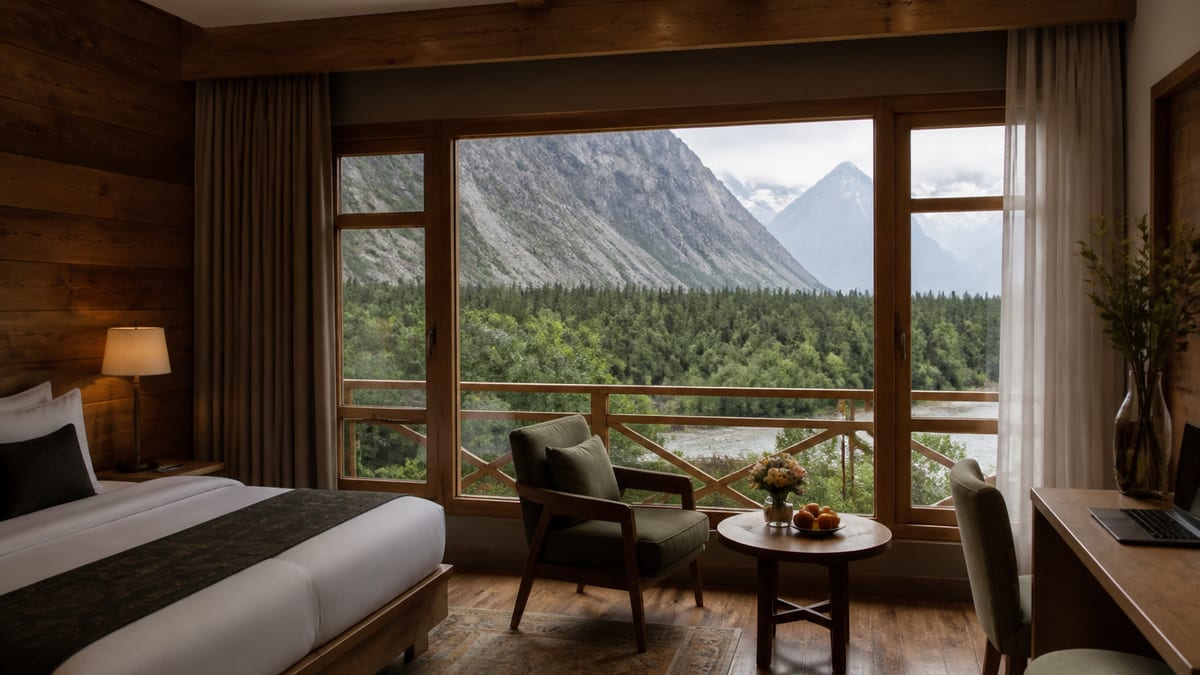
The lakeshore now has upmarket resorts, including Luxus Hunza, Famree Resort and Lodges by Baron, along with glamping domes. A 2025 Luxus listing started at about PKR 36,500 a night, with lake-view rooms higher. Book well ahead for July–August and long weekends.
For cheaper rooms, stay in Karimabad, where 2025 guides put guesthouses at about PKR 3,000–5,000 a night and mid-range hotels at PKR 8,000–15,000. There are also guesthouses in Gulmit and around Hussaini and Passu. You lose the lakeshore view, but you’re only a short drive away.
Safety and practical tips
- Cold water: cold-water shock can disable a strong swimmer within minutes. Keep children away from the jetty edges.
- Road: the highway is cut into slopes that still shed rock. Avoid driving after dark, and check road reports after rain.
- Signal: coverage gets patchy north of the lake. An SCOM SIM, bought with ID in Gilgit or Islamabad, usually works best.
- Respect: this is a disaster site for local families. Ask before photographing people, and buy from the community stalls.
- Language: Gojal is Wakhi-speaking country, so a few words of greeting go a long way.
Suggested 2-day Gojal itinerary
- Day 1: Leave Karimabad early and stop at the viewpoints above the lake. Take a boat ride, then visit Shishkat and Gulmit. Overnight in Gulmit or Passu.
- Day 2: See the Hussaini suspension bridge and the Passu Cones, about 30 minutes from the lake. Then continue north to Khunjerab Pass or turn back towards Karimabad and Baltit Fort.
Nearby places
- Hunza: Karimabad, the forts and the main valley base
- Shimshal Valley: a remote Wakhi valley reached by a side road from Passu
- Khunjerab Pass: the border with China at 4,693 m
- Naltar Valley: forest and coloured lakes near Gilgit
- Fairy Meadows: the Nanga Parbat side trip on the way north
Attabad Lake FAQ
How was Attabad Lake formed?
A huge landslide on 4 January 2010 buried Attabad village in Gojal, killed 20 people and dammed the Hunza River for five months. The water backed up into a lake about 21 km long and over 100 m deep by June 2010. It was later lowered by at least 10 m when the spillway was blasted in 2012.
How much is boating at Attabad Lake?
As reported in 2025 to 2026, short or shared boat rides cost about PKR 1,500 to 3,000 per boat, longer private trips about PKR 3,500 to 4,500, and jet skis about PKR 2,000 to 5,000 for 5 to 20 minutes. Agree the price first and insist on life jackets.
What is the best time to visit Attabad Lake?
September and October for clear water, stable weather and autumn colour. June to August is warmest, busiest and best for water sports. Spring brings blossom, and in deep winter the lake can freeze.
Are there hotels at Attabad Lake?
Yes. Lakeshore options include Luxus Hunza, Famree Resort, Lodges by Baron and glamping domes. A 2025 Luxus listing started at about PKR 36,500 a night. Cheaper guesthouses are in Karimabad, Gulmit and around Hussaini.
How far is Attabad Lake from Karimabad?
About 14 km, a drive of 30 to 45 minutes north on the Karakoram Highway through the Attabad tunnels. From Gilgit, allow about 3 to 3.5 hours.
Can you swim in Attabad Lake?
No. Swimming is generally prohibited because the glacier-fed water is dangerously cold. Stick to boat rides with a life jacket.