Shimshal Valley is a remote Wakhi valley in Gojal, Upper Hunza, in Hunza District, Gilgit-Baltistan. Its main village sits at about 3,100 m, making it the highest permanent settlement in Hunza. You reach it from the Karakoram Highway near Passu, along a 56 km jeep road that the community built itself and finished in 2003. The drive takes 3–4 hours from Passu, or 5–7 hours by shared jeep from Aliabad. In 2025–2026 a shared seat cost about PKR 500–800, while a private jeep was quoted at around PKR 8,000–15,000 one way. There’s no fee to visit the village. The best months are June to October.
Shimshal is known as the “valley of mountaineers”: Samina Baig, the first Pakistani woman to climb Everest, was born here. Details were checked in October 2026. The road and fares change with the weather, so always keep a spare day.
Shimshal Valley quick facts
| Fact | Details |
|---|---|
| Altitude | Shimshal village about 3,100 m. Shimshal Pass about 4,735 m |
| Location | Gojal, Hunza District, at about 36.437° N, 75.326° E, east of Passu and towards the China border |
| Road | About 56 km from the KKH near Passu. Jeeps only; narrow, with exposed cliff sections |
| Time | 3–4 hours from the Passu turn-off, or 5–7 hours by shared jeep from Aliabad |
| People | Wakhi-speaking Ismaili community |
| Entry | No fee or permit to visit the village or walk to the Yazghil Glacier |
| Best months | June to October; the road usually opens in May and becomes unreliable after November |
| Cash and signal | No ATMs; the signal is weak and unreliable |
Why visit Shimshal
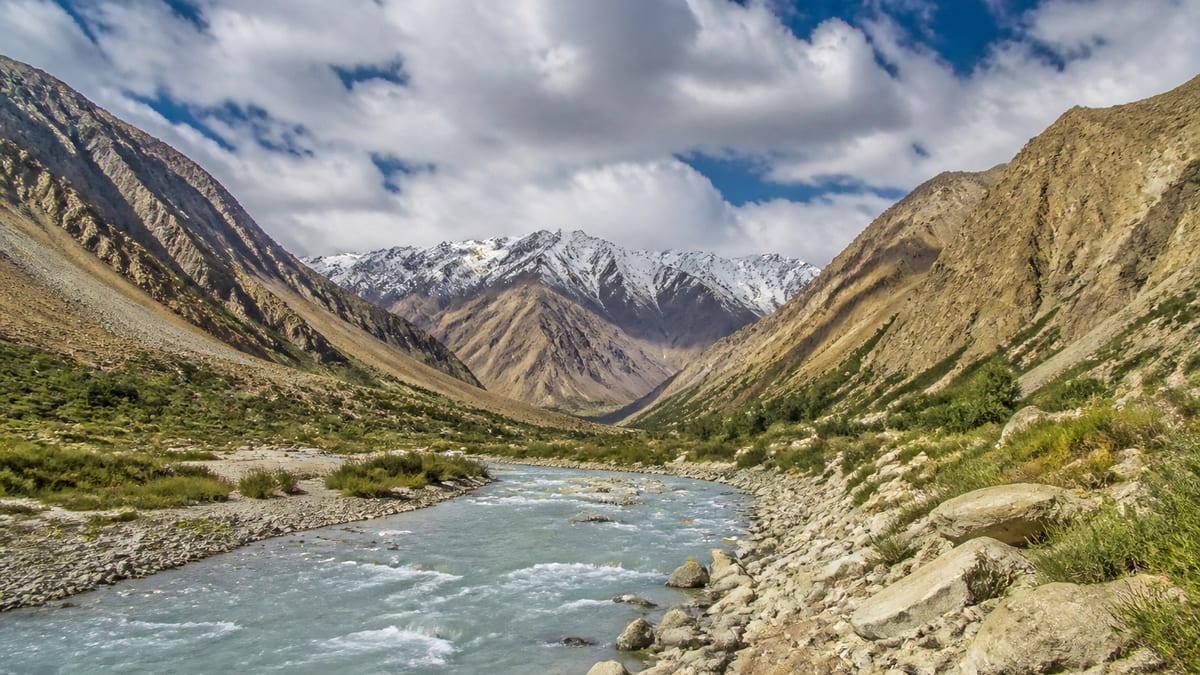
Shimshal is one of the most remote inhabited valleys in Gilgit-Baltistan. Stone houses and fields spread across a wide bowl of grass, yaks graze the slopes, and glaciers come down into the valley from several sides. Peaks above 7,000 m surround it, including Distaghil Sar (7,885 m).
The people are Wakhi and Ismaili, and the community runs its own high pastures through the Shimshal Nature Trust. Many Shimshalis have worked as high-altitude porters and climbers for decades. Late July or early August brings a yak race and festival at the Shimshal Pass pastures, called Woolyo in Wakhi, with singing and dancing.
The Shimshal road
Until 2003 the only way in was a walk of several days along dangerous mountain paths. The community began cutting a road in 1985 and finished the 56 km themselves, blasting it through cliffs above the Shimshal River. Today it’s still a serious mountain road. It’s narrow, with wooden bridges, sections cut into sheer rock with no barriers, rockfall after rain and deep sand near the end. It’s one of the most dramatic drives in Pakistan.
- Shared jeep: the usual option. Jeeps leave Aliabad bazaar around midday when full and pick up along the KKH to Passu. A seat costs about PKR 500–800, more for the front. Ask your guesthouse to book you a seat the evening before. Return jeeps leave Shimshal early, around 5–6 am.
- Private jeep: about PKR 8,000–15,000 one way for the vehicle, or more for a return with waiting days. It’s worth it for groups of three or more.
- Own vehicle or motorbike: only for very experienced mountain drivers or riders. Never drive it at night.
- To Passu: Passu is 1–2 hours up the KKH from Karimabad, past Attabad Lake. See the Hunza travel guide for getting to Hunza.
Things to do in Shimshal
- Yazghil Glacier: about 3 hours’ walk each way from the village to the glacier edge. No guide or permit is needed for the walk; don’t go onto the ice without a local guide.
- Village walks: wander the irrigation channels, fields and stone houses, and talk to people over tea.
- Shimshal Pass and the Pamir: the valley’s classic trek, usually 7–10 days, crosses high grassland past the summer pastures to the pass at about 4,735 m. Go with a licensed local guide.
- Mountaineering heritage: ask about the climbers’ families and the village’s expedition history.
- Stargazing: with almost no light pollution, the night sky is outstanding.
Permits and trekking rules
You don’t need a permit or NOC to visit Shimshal village or walk to the Yazghil Glacier. You’ll show your passport or CNIC at the police checkpoint at the valley entrance. Operators describe the Shimshal Pass and Pamir treks as open-zone routes that don’t need a restricted-zone permit, but they say you still need a local guide and a contribution to the Shimshal Nature Trust. At least one 2026 guide says an NOC from Gilgit is needed for treks beyond the village, so check with your operator before you go. Read the trekking and mountaineering rules.
Shimshal costs (as of 2025–2026)
| Item | Typical cost |
|---|---|
| Shared jeep seat, Aliabad or Passu to Shimshal | About PKR 500–800 one way |
| Private jeep | About PKR 8,000–15,000 one way per vehicle; return trips cost more |
| Guesthouse room | About PKR 2,000–3,000 a night (basic) |
| Guesthouse with meals | Up to about PKR 6,500 a night reported |
| Yazghil Glacier walk | Free |
| Shimshal Nature Trust contribution (treks) | Arranged by your guide; amount not confirmed |
Where to stay
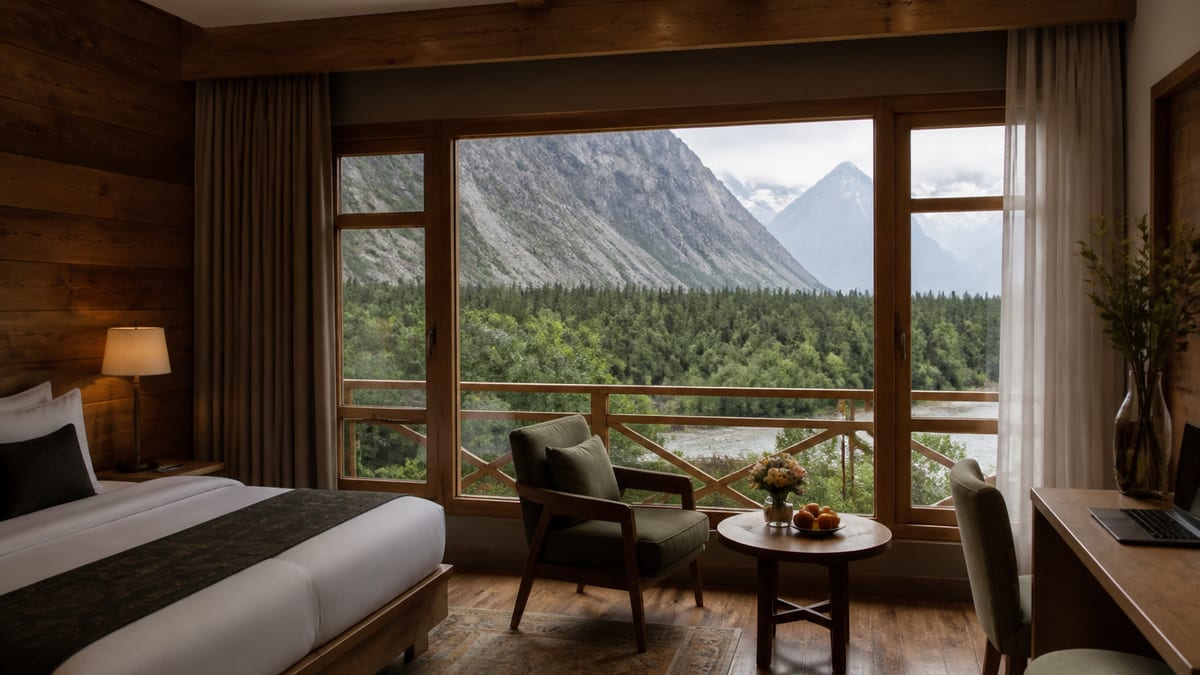
Accommodation is simple and limited: a few family guesthouses and homestays, with no booking websites and unreliable hot water and Wi-Fi. Guesthouses serve home-cooked Wakhi food such as bread, lentils, potatoes, dairy and tea. Turning up and asking usually works, but in July and August ask your Hunza guesthouse to call ahead. Read the homestay rules. Stay at least two nights; the road takes most of a day each way.
Best time to visit
- May: the road is usually open by mid-May, but the high pastures are still under snow and some guesthouses may not be ready.
- June–August: the main season. The valley is green, herders are on the pastures and the days are long. The Woolyo festival is in late July or early August.
- September–October: clear skies, gold light and few visitors. Nights are close to freezing.
- November–April: the road is unreliable and can be closed for long periods. Most guesthouses shut.
Safety and practical tips
- Road first: the road is the main risk. Go with a local driver, travel in daylight and don’t hurry. See the travel safety guidance.
- Altitude: at 3,100 m, take your first day slowly and drink plenty of water.
- Cash: there are no ATMs. Bring enough cash from Aliabad, Karimabad or Gilgit for your whole stay plus a delay day; see currency and cash in GB.
- Offline: download maps before Passu, and expect little or no signal.
- Respect: Shimshal is a close-knit Ismaili village. Dress modestly, ask before photographing people and follow your hosts’ lead at home.
Nearby places
- Attabad Lake: the turquoise lake on the KKH between Karimabad and Passu
- Khunjerab Pass: the China border crossing at the top of the KKH
- Baltit Fort and Altit Fort: Hunza’s royal forts in Karimabad
- Hoper Glacier: an easy glacier day trip across the river in Nagar
Shimshal Valley FAQ
Where is Shimshal Valley?
Shimshal Valley is in Gojal, Upper Hunza, in Hunza District, Gilgit-Baltistan. It runs east from the Karakoram Highway near Passu towards the China border. The main village is at about 3,100 m.
How do I get to Shimshal from Hunza?
Take the shared jeep that leaves Aliabad bazaar around midday and passes Passu, then follows the 56 km Shimshal road. It takes 5 to 7 hours in total, or 3 to 4 hours from Passu. A shared seat cost about PKR 500 to 800 in 2025 and 2026.
Is the Shimshal road dangerous?
It is a narrow, exposed mountain road with sheer drops, no barriers and rockfall after rain. Local drivers use it daily. Travel with an experienced local driver, in daylight, and keep a spare day for delays.
Do I need a permit for Shimshal?
No permit is needed to visit the village or walk to the Yazghil Glacier. You show ID at the police checkpoint. For the Shimshal Pass trek, go with a licensed guide and check whether an NOC is needed that season.
How many days do I need in Shimshal?
At least two nights in the valley, since the road takes most of a day each way. Three nights lets you walk to the Yazghil Glacier and spend unhurried time in the village. The Shimshal Pass trek takes about 7 to 10 days.
When is the best time to visit Shimshal?
June to October. Summer is green and busy with herders, and September and October are clear and quiet. From November to April the road is unreliable and most guesthouses close.