Deosai isn’t only a plain of grass and flowers. Deosai is best known for its bears and its wildflowers, but the plateau’s lakes, streams and marshes are what hold the whole place together. Tourism department materials describe Deosai and Sheosar Lake, also called Blind Lake, as among the world’s highest freshwater wetlands, and they note the park’s role in high-altitude wetland biodiversity. This page explains what that description means for a visitor, what the wetlands support, and how to enjoy them without harming a fragile landscape.
It isn’t a scientific survey. We don’t print water-quality data, wetland area figures or species counts beyond what’s already on our Deosai National Park page. What you’ll get is a practical guide grounded in the department’s own wording and our existing park notes.
What the department materials describe
The department wording is short. It calls Deosai and Sheosar Lake among the world’s highest freshwater wetlands and highlights the park’s importance for high-altitude wetland biodiversity. That’s the core claim, and it’s worth reading carefully. “Among the world’s highest” is a ranking phrase, not a measured title, and we don’t upgrade it to “the highest”. It’s the department’s description, and we keep it as written.
Our Deosai National Park page adds useful context. It describes Deosai as a high alpine plateau between Skardu and Astore with an average altitude of 4,114 m (13,497 ft). It was made a national park in 1993 to protect the Himalayan brown bear. Its Balti name, Ghbiarsa, means “summer’s place”, which fits a plateau that’s only open for a few months each year.
Why the wetlands matter
At this altitude, water is everything. Snowmelt feeds the streams, lakes and marshy ground across the plateau, and that water supports the grasses and flowers that bloom in summer. In turn, the plants support grazing animals, insects and birds, and those support the predators above them.
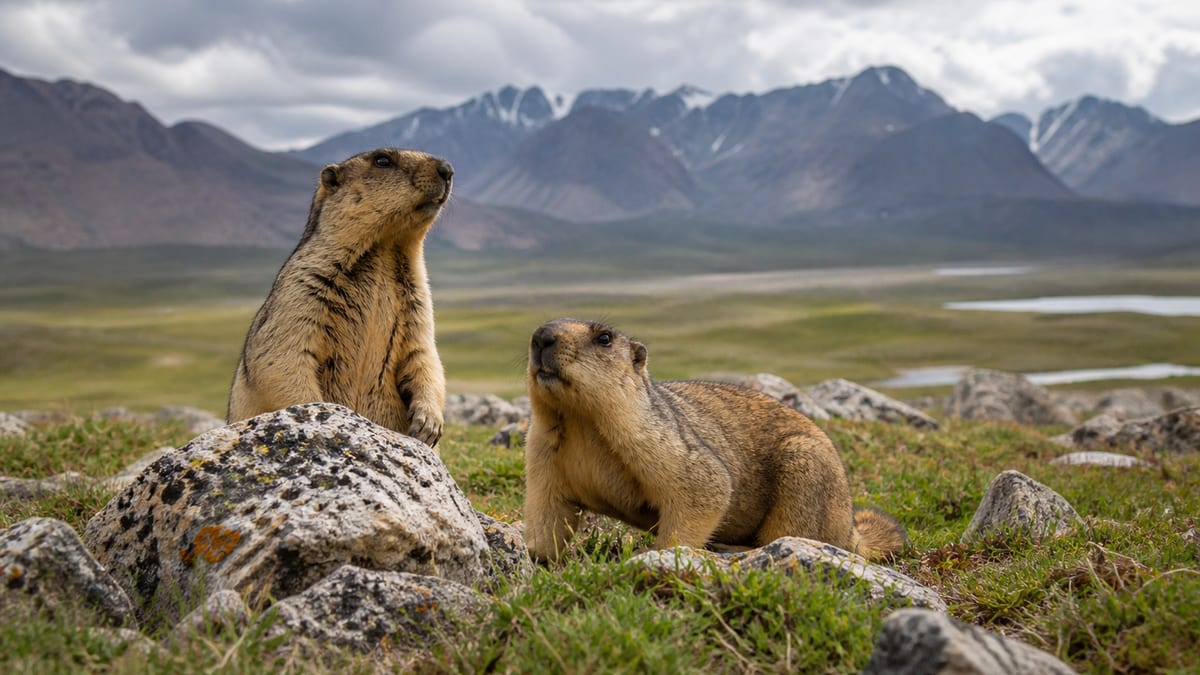
Our Deosai park page notes that more than 124 bird species have been recorded on the plateau, including golden eagles and lammergeiers, and that the high-altitude wetlands are what support them. The Himalayan marmots that whistle from their burrows beside the track and the Himalayan brown bear the park was created to protect both depend on the same summer burst of growth.
In short, the wetlands aren’t a side attraction. They’re the reason the plateau is so alive in July.
Sheosar Lake, or Blind Lake
Sheosar Lake is the wetland most visitors see up close. The department materials give its other name as Blind Lake. Our park page puts it about 60 km from Skardu, roughly three hours or more by road, deeper into the plateau than the main entrance.
Visitors come for the reflections, the open sky and the quiet. Camping spots named on our park page include Bara Pani, Kala Pani and Sheosar. If you’re camping near the water, keep well back from the shoreline, take all rubbish out with you and avoid washing with soap or detergent directly in the lake or streams.
We don’t publish a surface elevation for Sheosar on this page, and we don’t add boat hire, camping coordinates or official opening dates for the lake itself. Those aren’t part of the department wording.
When the wetlands are at their best
Our park page sets out the season. Deosai is only open in summer. In 2026 the park opened on 10 June, and it usually closes in late October when the snow returns. From roughly November to May the plateau is under snow and not part of a normal trip.
- Mid-June: the road has just been cleared, snow lingers in patches and the lakes are thawing. Few visitors.
- July: the wildflowers peak, marmots are everywhere and the light is good for photography.
- August: still green, but monsoon rain can wash out the Skardu approach, so check conditions the day before.
- September to early October: the grasses turn gold and the plateau gets colder and quieter.
For wetland scenery, late June to August is usually the greenest window. For solitude, the edges of the season are quieter.
Getting there
According to our park page, the entrance is about 30 km from Skardu, roughly 1.5 to 2 hours by 4×4 via Sadpara Lake. You can also enter from the Astore side via Chilam, about 70 km and three to five hours. Travellers from Islamabad usually fly to Skardu, weather permitting, or make the long drive north.
Most visitors go with a hired 4×4 and driver. The track is rough, weather changes fast and mobile coverage is patchy, so this isn’t a casual drive in a city car. Our Skardu International Airport page covers the fly-in option.
Park rules that protect the wetlands
The national park FAQ tells visitors to obtain a Wildlife Department permit and follow park rules, including not littering and not disturbing wildlife. Our national park visit regulations page covers those rules in more detail. Our Deosai park page adds that most visitors don’t need an advance permit and buy an entry ticket at the checkpoint, and that anglers need a fishing licence.
For wetlands specifically, a few habits make a real difference:
- Stay on established tracks. Driving across marshy ground scars it for years.
- Don’t leave rubbish, food scraps or toilet waste near water.
- Keep soap and detergent out of lakes and streams.
- Don’t pick flowers or disturb nesting birds.
- Keep a respectful distance from all wildlife, including marmots.
- Fish only with a valid licence and follow its terms.
Photography and birdwatching
The wetlands are a gift for photographers. Still mornings can give mirror-like reflections on Sheosar, and the light across the plateau changes quickly through the day. Bring a telephoto lens for birds and marmots rather than walking up to them.
Birdwatchers should look over open water and marsh edges, and scan the sky for raptors. Our park page names golden eagles and lammergeiers among the 124-plus species recorded. We don’t publish a full bird list, so a regional field guide is worth carrying.
Our photography restrictions page covers wider rules, and our wildlife viewing regulations page explains the permit and conduct expectations.
Planning a wetland day
A wetland-focused day on Deosai usually means an early start from Skardu. Leaving at first light gives you calm water for reflections and more time on the plateau before afternoon cloud builds. Plan for the long drive to Sheosar if that’s your main goal, and don’t try to squeeze too many stops into one day.
If you want more time with the water, an overnight camp lets you see the wetlands at dawn and dusk, when birds and marmots are most active. Our park page also mentions stargazing, since there’s no light pollution on the plateau. Pack for real cold, though, even in July.
Weather and safety
Deosai is high and exposed. Even in summer, nights can be very cold and storms can roll in quickly. Bring warm layers, waterproofs, sun protection and enough food and water for the day. Altitude affects people differently, so take it easy if you’ve just flown into Skardu.
Tell someone your plans, travel with a reliable driver and check road conditions before you set out, especially in August when monsoon rain can affect the approach.
What a height claim doesn’t include
The department phrase “among the world’s highest freshwater wetlands” is a description, not a full data sheet. It doesn’t give an official wetland area, a ranking table or a list of comparison sites. It also doesn’t add boat hire, a camping coordinate or seasonal opening for specific lakes. We keep the claim as written and don’t build on it.
Related pages
- Deosai National Park for season, access and practical planning
- Himalayan brown bear of Deosai
- Himalayan marmots of Deosai
- National park rules
- Kachura Lake, another lake trip from Skardu
- Skardu district and Skardu destination
Frequently asked questions
What are the Deosai wetlands?
They’re the lakes, streams and marshes of the Deosai plateau. Department materials describe Deosai and Sheosar Lake as among the world’s highest freshwater wetlands.
What other name is given for Sheosar Lake?
Blind Lake.
What ranking language does the department use?
It describes Deosai and Sheosar as among the world’s highest freshwater wetlands. We don’t upgrade that to “the highest”.
How high is the Deosai plateau?
Our park page gives an average altitude of 4,114 m (13,497 ft).
Which animals depend on the wetlands?
Our pages name Himalayan marmots and the Himalayan brown bear, plus more than 124 recorded bird species, including golden eagles and lammergeiers.
When is the best time to see the wetlands?
July is usually the greenest month, with wildflowers at their peak. The park is generally open from mid-June to late October.
How far is Sheosar Lake from Skardu?
Our park page puts it about 60 km from Skardu, roughly three hours or more by road.
Do I need a permit to visit?
The national park FAQ mentions a Wildlife Department permit. Our park page says most visitors buy an entry ticket at the checkpoint, and anglers need a fishing licence.
Can I camp near the lakes?
Our park page names Bara Pani, Kala Pani and Sheosar as camping spots. Keep back from the shore and take all waste with you.
How can I protect the wetlands as a visitor?
Stay on tracks, don’t litter, keep soap out of water, don’t pick plants and give wildlife plenty of space.
Source
Deosai National Park (Tourism Department blog) · Tourism, Sports, Culture, Archaeology & Museums Department, Government of Gilgit-Baltistan · Accessed 2026-08-27 · https://visitgilgitbaltistan.gov.pk/categories/posts/1/2