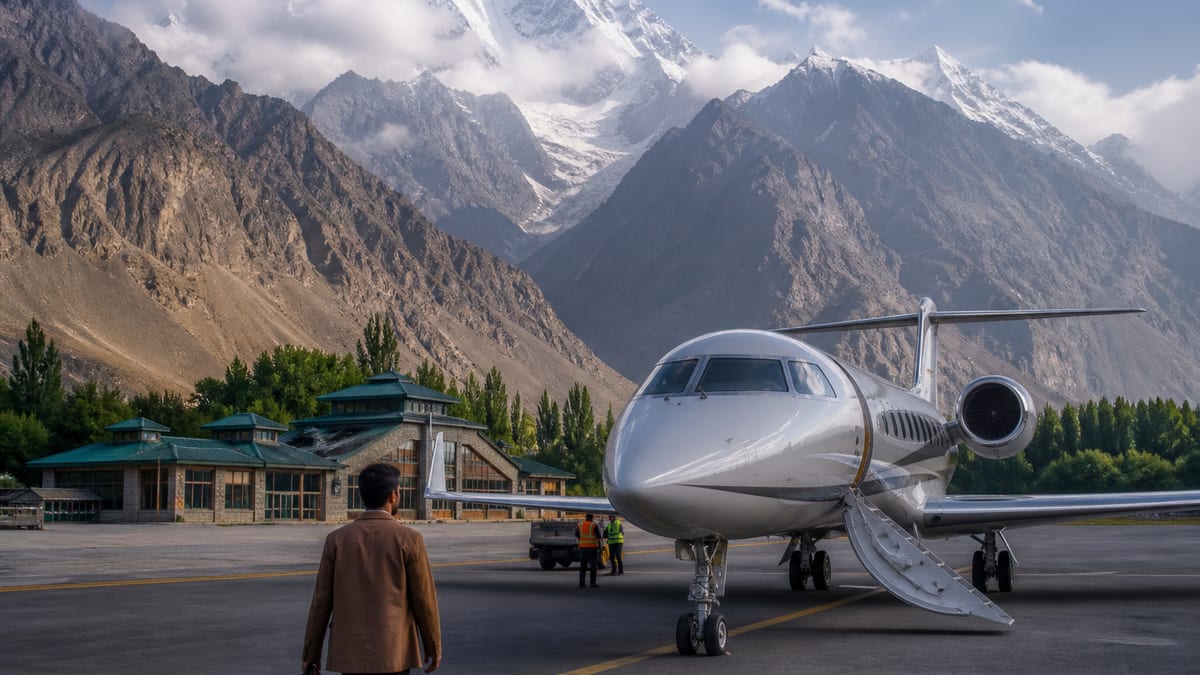
Deosai National Park is a high alpine plateau between Skardu and Astore, with an average altitude of 4,114 m (13,497 ft). It was made a national park in 1993 to protect the Himalayan brown bear. It’s only open in summer: in 2026 the park opened on 10 June, and it usually closes in late October when the snow returns. From Skardu the park entrance is about 30 km (1.5–2 hours by 4×4) via Sadpara Lake, and Sheosar Lake is about 60 km (3 hours or more). In 2025–2026 reports, Pakistani visitors paid about PKR 500 to enter.
Its Balti name, Ghbiarsa, means “summer’s place”, which says it all. From roughly November to May the plateau is under snow. Details were checked in October 2026; fees and dates change, so confirm them before you travel.
Deosai quick facts
| Fact | Details |
|---|---|
| Altitude | 4,114 m on average. Sheosar Lake is about 4,140–4,250 m, depending on the source |
| Location | Between Skardu and Astore districts, east of Nanga Parbat |
| Nearest towns | Skardu (north side, via Sadpara) and Chilam village (west side, Astore) |
| From Skardu | About 30 km to the entrance (1.5–2 hrs) and about 60 km to Sheosar Lake (3+ hrs) |
| From Gilgit | 4–5 hrs to Skardu first, or enter from the Astore side: Astore to the plateau via Chilam is about 70 km (3–5 hrs) |
| From Islamabad | Fly to Skardu (about 1 hr, weather permitting) or drive about 635 km (16–18 hrs) |
| Season | About mid-June to mid-October. Opened 10 June in 2026 |
| Permits | No advance permit for most visitors. Buy your entry ticket at the checkpoint. Anglers need a fishing licence |
| Entry fee (2025–2026 reports) | PKR 500 for Pakistanis, PKR 100–200 for GB residents, about USD 20–40 for foreigners |
Skardu to Deosai: how to get there
Both approaches need a 4×4, which in practice means a Land Cruiser or Prado with a local driver. Most people go in from Skardu and either return the same way or cross to Astore.
Route 1: From Skardu via Sadpara (shortest)
- The road is paved from Skardu to Sadpara Lake, then becomes a rough track climbing to Deosai Top and the park checkpoint, about 30 km from Skardu.
- Bara Pani, the main camping area by the river, is about 35 km from Skardu. Kala Pani comes next.
- Sheosar Lake is at the far western edge, about 60 km from Skardu, and the drive often takes 3 hours or more.
- At the wooden bridge at Bara Pani, drivers sometimes ask passengers to walk across while the jeep crosses empty.
Route 2: From Astore via Chilam
Leave the KKH for Astore Valley and drive to Chilam, the last village. From Astore to the plateau is about 70 km and takes 3–5 hours. Sources disagree on whether this side is easier, so plan for a 4×4 either way.
The full crossing
Skardu to Astore across the plateau is about 150 km and takes 7–8 hours by jeep. It’s the best way to see the whole park, and it fits neatly into a Skardu–Astore–Gilgit loop. In 2026, hiring a jeep in Skardu for a Deosai day cost about PKR 15,000–20,000.
Deosai opening months and best time to visit
- Mid-June: the park opens once the road is cleared (10 June in 2026). Snow lingers in patches, the lakes are thawing and there are few visitors.
- July: the wildflowers peak, marmots are everywhere and the light is good for photography. Several Skardu operators call it the best month.
- August: still green, but monsoon rain can wash out the Skardu approach, so check conditions the day before.
- September to early October: golden grass, clear air and freezing nights. The first heavy snow can close the road at any point in October.
- November to May: closed. Even in late spring the gates stay shut until the park authority opens them.
What to see and do in Deosai
- Sheosar Lake. This lake at the western end of the park is one of the highest in the world. On a clear day you can see Nanga Parbat from the shore.
- Brown bears. Deosai’s bear population grew from 19 in 1993 to 78 in 2022. Your best chance of a sighting is early morning or late afternoon. Stay in or near the vehicle and never feed them. Read more about the Himalayan brown bear of Deosai.
- Marmots. Golden Himalayan marmots whistle from their burrows beside the track. The French ethnologist Michel Peissel argued they inspired Herodotus’s story of gold-digging ants.
- Birds and wetlands. More than 124 bird species have been recorded here, including golden eagles and lammergeiers. The high-altitude wetlands are what support them.
- Camping and stargazing at Bara Pani, Kala Pani or Sheosar. There’s no light pollution at all.
Where to stay
There are no ordinary hotels on the plateau. You have three choices:
- Do it as a day trip from Skardu. This is the easiest option. Compare bases on the Skardu destination page.
- Camp inside the park. Operators bring tents to Bara Pani or Sheosar. Ask for a price that includes the jeep, meals and warm bedding, and follow the national park visit rules.
- Stay on the Astore side. Chilam and Astore town have a few simple hotels. The Brown Bear Hotel Deosai appears on the tourism department’s lodging list for Astore; contact it directly to check it’s open and what it charges.
Deosai trip costs (as of 2025–2026)
| Item | Reported cost |
|---|---|
| Entry, Pakistani nationals | PKR 500 per person |
| Entry, GB residents | PKR 100–200 per person |
| Entry, foreign nationals | About USD 20–40 per person (the rate has moved between seasons) |
| Non-local car at GB tourist sites | PKR 2,000 (GB Finance Department notification, Dec 2024; ask whether it applies at the Deosai gate) |
| 4×4 with driver from Skardu, one day | PKR 15,000–20,000 |
Pay in cash and keep your ticket until you leave the park.
Safety, altitude and practical tips
- Altitude: you’ll spend the whole day above 4,000 m. Spend two nights in Skardu first. If you have heart or breathing problems, ask a doctor before you go.
- Weather: summer days are about 10–20°C, and nights fall close to freezing or below. Bring a windproof jacket even in July.
- Network: expect no mobile signal on most of the plateau. Leave your route with someone in Skardu.
- Fuel, food and cash: none is available inside the park, so stock up in Skardu or Astore. See Skardu airport access if you’re flying in.
- Start early: leave Skardu by 6–7 am to get the best wildlife light and finish in daylight.
- Leave nothing behind. Carry all your rubbish out with you.
Suggested 2–3 day itinerary
- Day 1: In Skardu, acclimatise with a visit to Sadpara Lake and Kachura Lake.
- Day 2: Leave Skardu at dawn and drive through Bara Pani and Kala Pani to Sheosar Lake. Camp there, or return to Skardu.
- Day 3 (crossing): Look for wildlife at sunrise, then go down through Chilam to Astore. From there, detour to Rama Lake or carry on to Gilgit.
Nearby places
- Astore: the western gateway, through Chilam
- Fairy Meadows: on the other side of Nanga Parbat, off the KKH
- Rama Lake: above Astore, a good add-on after the crossing
- Kachura Lake: near Skardu, good for an acclimatisation day
Deosai National Park FAQ
When does Deosai National Park open?
Only in summer. In 2026 the park opened on 10 June after snow clearance, and it normally stays open until the first heavy snow, usually around mid to late October. From about November to May it is snowbound and closed.
How far is Deosai from Skardu?
The park entrance is about 30 km from Skardu via Sadpara Lake, 1.5–2 hours by 4×4. Bara Pani is about 35 km away, and Sheosar Lake about 60 km, which takes 3 hours or more.
What is the Deosai National Park entry fee?
In 2025–2026 reports it was about PKR 500 for Pakistani nationals, PKR 100–200 for Gilgit-Baltistan residents and roughly USD 20–40 for foreigners. You pay in cash at the checkpoint. Rates change, so confirm before you go.
Where is Sheosar Lake?
Sheosar Lake is at the western end of the Deosai plateau, towards Chilam and Astore. It sits at about 4,140–4,250 m, depending on the source, and on clear days Nanga Parbat is visible from its shore.
Can I visit Deosai in a normal car?
It isn’t recommended. The track beyond Sadpara Lake on the Skardu side, and the road from Chilam on the Astore side, are rough and unpaved. Local operators use 4×4s such as Land Cruisers and Prados.
Will I see brown bears in Deosai?
Possibly, but it is never guaranteed. The population grew from 19 bears in 1993 to 78 in 2022. Your best chances are in early morning and late afternoon. Keep your distance and never feed them.