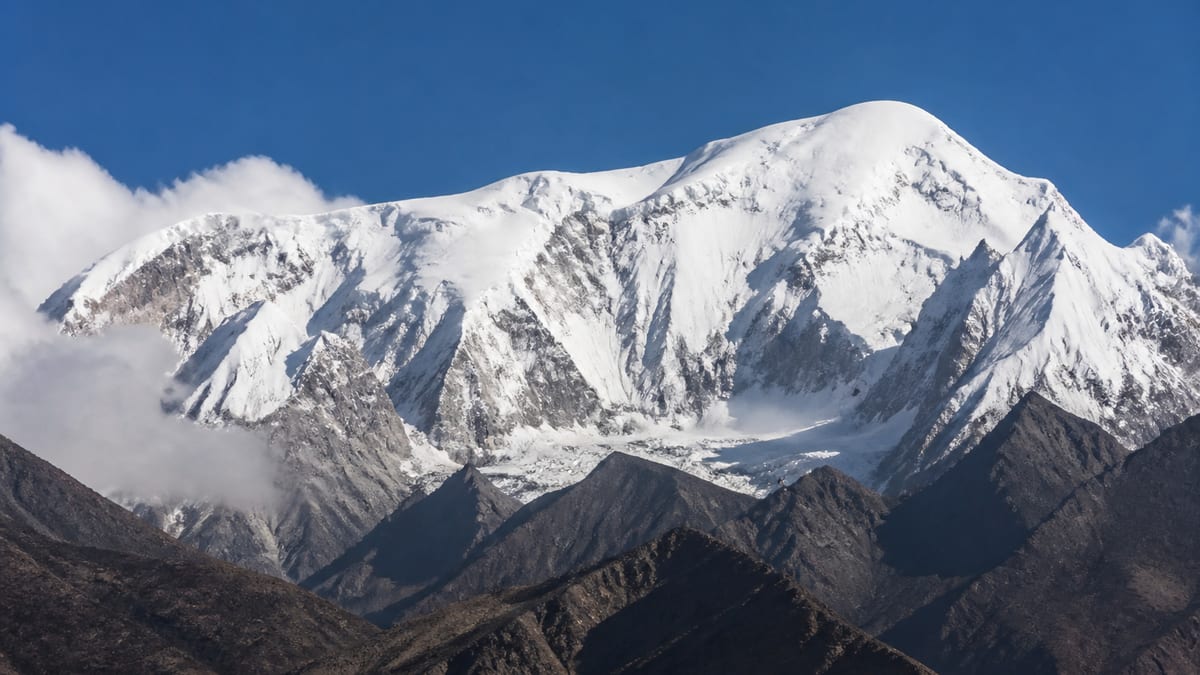
Two of the five Malubiting rows sit almost on top of each other at the head of the family. The Pakistan Online Visa System (NADRA) List of Peaks for Gilgit-Baltistan, in its 2026-08-26 snapshot, lists Malubiting – W at 7,453 metres and Malubiting NW just five metres higher at 7,458 metres. Further down come Malubiting Central (7,260 m), Malubiting- LC (7,233 m) and Malubiting – E (7,124 m). Malubiting – W also shares its exact figure with an unrelated row, Muchu Chhih. Thirty-two elevation-listed entries are higher and seventy are lower.
A five-metre gap within one family and an exact tie with another family make this a page where precision matters. Precision matters in another area too: what you do in the first minutes after someone is hurt. Help in the high mountains can be hours or days away, so the people on the spot are the first responders. After the record, this page explains why first-aid training is one of the best investments a climber can make, and what a sensible approach looks like. It does not replace a course or medical advice. Peak facts come only from the NADRA list and our live page; neither provides a district, coordinates, route, grade or history. First aid is the skill you hope never to use, and the one you need most if you do.
The entry in outline
- Listed as: Malubiting – W
- Height: 7,453 m
- Shares height with: Muchu Chhih
- Higher family row: Malubiting NW, 7,458 m
- Entries higher: 32
- Entries lower: 70
- Location detail: not provided
West, north-west and the rest
| Official entry | Listed height | Compared with Malubiting – W |
|---|---|---|
| Malubiting NW | 7,458 m | 5 m higher |
| Malubiting – W | 7,453 m | — |
| Malubiting Central | 7,260 m | 193 m lower |
| Malubiting- LC | 7,233 m | 220 m lower |
| Malubiting – E | 7,124 m | 329 m lower |
“W” and “NW” are easy to confuse in handwriting and in a hurry, and five metres won’t flag the mistake. Spell the direction fully in your own notes if it helps, then copy the official form exactly onto documents.
Other rows nearby
| Official entry | Listed height | Difference |
|---|---|---|
| Batura – V | 7,531 m | 78 m higher |
| Pumari Chhish – N | 7,492 m | 39 m higher |
| Muchu Chhih | 7,453 m | identical |
| Kunyang Khhish – W | 7,423 m | 30 m lower |
| Bajohagur Duanasir | 7,411 m | 42 m lower |
Why first aid belongs in your preparation
In a city, an injured person is usually minutes from professional care. In a remote valley or on a glacier, that gap may stretch to many hours, and bad weather can make it longer still. During that time, the quality of care depends on the people present. Basic skills, applied calmly, can stabilise someone, prevent a problem from worsening and make an evacuation safer.
Choose a course designed for remote settings
Standard workplace first-aid courses assume an ambulance is coming soon. Courses aimed at outdoor and remote environments teach how to manage casualties over longer periods, improvise with limited kit and decide when evacuation is needed. Look for a recognised provider and take the course well before departure, so there’s time to practise.
Assessment comes before treatment
Good first aid starts with a structured check: is the scene safe, is the person breathing, is there major bleeding, what happened? Training teaches a routine to follow under stress, so you don’t fixate on an obvious but minor injury and miss something serious.
Common problems in the mountains
Expect to deal with blisters, sprains, cuts, burns from stoves, cold injuries, sunburn and illness. Serious trauma is less common but possible. A course helps you recognise which situations you can manage and which need urgent outside help. Altitude illness has its own warning signs; your guide will brief you, and courses often cover the basics.
Knowing the team kit
Every expedition should carry a first-aid kit suited to its size and objective. Find out what’s in it, who carries it and how it’s organised. Practise opening it with gloves on. Supplement it with your own small pouch for blisters and minor cuts.
Keeping records
When someone is hurt or unwell, write down times, symptoms, treatments and changes. These notes help guides, rescuers and doctors later. A pencil and waterproof notebook are as important as bandages.
Looking after yourself as a helper
Dealing with an injury can be stressful. Take a breath before acting, protect yourself from hazards and ask others to help. After the event, talk it through as a team.
Refreshing your skills
Skills fade without use. Revisit your course notes before each trip and consider a refresher every few years.
Practising scenarios
Courses become useful when practised. Before the trip, run through simple scenarios with your team at home or on training hikes: a twisted ankle on a slope, a burn at the stove, someone confused and shivering. Decide who does what, where the kit is, and how you’d contact help. Rehearsal turns knowledge into calm action, and calm is what a casualty needs most from the people around them.
Improvising with what you carry
Remote first aid often means improvising. A foam sleeping mat can become a splint, a buff can secure a dressing, trekking poles can support a stretcher, and spare clothing can insulate a casualty from cold ground. Good courses teach these tricks. The aim isn’t elegance but keeping the person stable, warm and protected until better help arrives.
Insulation from the ground
An injured person lying on snow or rock loses heat quickly, even on a sunny day. One of the most valuable first-aid actions in the mountains is simply getting insulation underneath them and shelter around them. Mats, packs, rope coils and spare jackets all help. Cold makes every injury worse and can turn a stable casualty into a critical one.
Consent and communication
Talk to the injured person throughout: explain what you’re doing, ask before touching, and reassure them. If they’re unconscious, keep talking anyway and note any response. Clear, calm communication reduces panic, helps you assess their condition and builds trust for what may be a long wait for evacuation.
Handing over to professionals
When guides, rescuers or medical staff arrive, give a concise handover: what happened, what you found, what you did and how the person has changed. Your notes make this easy. Then step back and follow their instructions.
Personal kit versus team kit
Each member should carry a small personal kit: blister care, plasters, personal medicines and pain relief agreed with a doctor. The team kit, carried by the guide or a designated person, holds larger items. Know where both are at all times, and replace anything used promptly so the kit is complete for the next incident. A first-aid kit that’s half empty when it’s needed is of little use.
After an incident
Once an incident is over, take time as a team to talk about it. What went well? What would you do differently? Debriefing turns one bad day into learning for everyone and helps people process stress.
Refreshing your skills
Certificates expire and memory fades. Retake your course every few years and refresh key techniques, such as bandaging, recovery position and splinting, before each major trip. A quick practice session the week before departure brings skills back to the surface.
Recording observations
Write down the time, pulse, breathing and alertness every fifteen minutes or so while you wait. The trend matters more than any single reading, and rescuers will use it.
The paperwork for the west row
Write “Malubiting – W, 7,453 m” on every application, never just “Malubiting”, and double-check it hasn’t become NW. The permit application guide describes the process; trekking and mountaineering regulations explain registration and guide requirements. Note your first-aid qualifications on any operator questionnaire.
Getting there in good shape
Long journeys bring their own minor injuries and illnesses, so keep your personal kit handy. Our guide to getting to Gilgit-Baltistan and Skardu airport access cover the routes. No district is given in the record; your operator will confirm the approach.
Season and medical supplies
Read the best time to visit guide to understand conditions. Build on the packing guide with a personal first-aid pouch, gloves, notebook and pencil.
Acting in an emergency
Follow the camping regulations and photography restrictions. When an injury is serious, inform your guide immediately and contact the Gilgit-Baltistan Tourist Police on 1422 or 05811-930055.
Asking operators about medical readiness
Ask operators what training their guides hold and what kit they carry. Our hiring guide lists more questions, and registering as a tour guide explains how guides are licensed.
Frequently asked questions
What height does the list give for Malubiting – W?
The NADRA snapshot dated 2026-08-26 records 7,453 metres.
How close is Malubiting NW?
Five metres higher, at 7,458 metres. They are separate rows.
Which row has the same height?
Muchu Chhih, also listed at 7,453 metres.
How many Malubiting rows are there?
Five: NW, W, Central, LC and E.
How does Malubiting – W rank?
Thirty-two entries are higher and seventy lower.
Does the record say where it is?
No district, coordinates or route are given.
What kind of first-aid course should I take?
One designed for remote or outdoor settings, from a recognised provider.
Why keep written notes after an injury?
They help guides, rescuers and doctors understand what happened and how the person changed.
Is a permit needed?
Yes, naming Malubiting – W and its height precisely.
Who can I call for help?
The Gilgit-Baltistan Tourist Police: 1422 or 05811-930055.
Source
Pakistan Online Visa System (NADRA) List of Peaks for Gilgit-Baltistan, snapshot 2026-08-26, and our live page. No district, route, grade or coordinates are given.